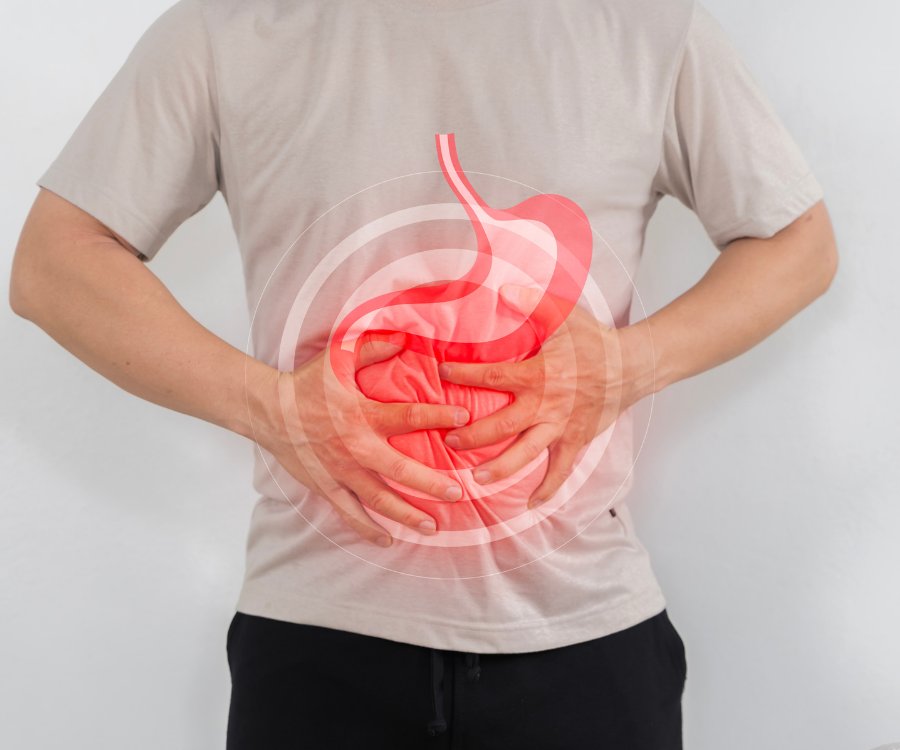
Almost everyone experiences stomach cramps at some point. Whether it feels like a dull, aching sensation, sharp spasms, or sudden bloating, abdominal discomfort can disrupt your day in seconds.
While many stomach cramps stem from harmless, temporary issues like trapped gas or mild indigestion, abdominal pain can also be the body’s warning signal for an underlying condition that requires medical attention.
What Causes Stomach Cramps?
The abdomen houses multiple vital organs—including your stomach, intestines, liver, gallbladder, and reproductive organs. Cramping can occur due to digestive distress, inflammation, or muscular spasms.
1. Digestive & Dietary Triggers
- Trapped Gas & Indigestion: Swallowing air, eating too fast, or consuming carbonated drinks can cause painful pressure and bloating.
- Food Intolerances or Allergies: Lactose intolerance, gluten sensitivity, or food allergies can lead to recurrent cramps after meals.
- Gastroenteritis (“Stomach Bug”): Viral or bacterial infections often trigger cramping alongside nausea, vomiting, and diarrhea.
- Constipation: Infrequent bowel movements cause stool buildup, leading to cramping in the lower abdomen.
2. Chronic Gastrointestinal Conditions
- Irritable Bowel Syndrome (IBS): A common functional disorder causing recurrent cramping, gas, bloating, diarrhea, or constipation.
- Inflammatory Bowel Disease (IBD): Conditions such as Crohn’s disease or ulcerative colitis cause persistent inflammation and severe abdominal pain.
3. Reproductive & Urinary Causes
- Menstrual Cramps (Dysmenorrhea): Hormonal shifts cause the uterus to contract, producing lower abdominal pain before and during a period.
- Urinary Tract Infections (UTIs): Infection in the bladder or kidneys can radiate pain into the pelvic and lower abdominal area.
When Are Stomach Cramps an Emergency?
Some symptoms signal conditions that require immediate medical evaluation, such as appendicitis, bowel obstruction, gallstones, or an ectopic pregnancy.
| Red Flag Symptom | Potential Concern |
| Sudden, severe, or worsening pain | Appendicitis, perforated ulcer, or gallbladder infection |
| Pain localized to the lower right abdomen | Classic warning sign of acute appendicitis |
| High fever accompanied by chills | Active internal or systemic infection |
| Blood in vomit or stool (or black, tarry stool) | Internal gastrointestinal bleeding |
| Inability to keep liquids down for 24+ hours | Severe dehydration or bowel obstruction |
| Cramping during pregnancy | Potential pregnancy complications requiring urgent assessment |
| A hard, rigid, or swollen abdomen | Peritonitis or internal inflammation |
When to Schedule a Routine GP Visit
If your cramps are not acute emergencies but persist for more than 48 to 72 hours, seeing a general practitioner is the safest step. You should book an appointment if:
- Cramping keeps recurring after eating.
- You experience unintentional weight loss.
- Over-the-counter pain relievers or antacids provide no relief.
- Your bowel habits change significantly for more than a week.
How Peermed Helps You Find Relief
At Peermed Health Centre, experienced general practitioners evaluate acute and chronic abdominal pain through comprehensive diagnostic services:
- On-Site Diagnostics & Pathology: Blood tests, urine analysis, and infection screenings to identify the root cause quickly.
- Ultrasound Imaging: Advanced sonography to check pelvic and abdominal organs.
- Dispensing Pharmacy: Receive prescribed medication directly on-site during your visit without extra pharmacy stops.
Don’t Suffer in Silence—Visit Peermed Today
If persistent or severe stomach cramps are disrupting your life, get an accurate diagnosis and treatment plan from a trusted medical team.